


Before buying a drone, we recommend checking its camera, range, battery endurance and controls against the flying you want to do. Then consider where you intend to fly, the weather limits, the checks you will make before take-off and what your insurance covers. These details help you compare the aircraft as a complete flying system, rather than choosing on price alone.
Start with capability and price
Drones vary in both price and capability, so start by deciding which features you actually want to use. A GOV.UK overview of commercially available drones distinguishes lightweight toy models with limited range and endurance from camera-equipped aircraft with greater capabilities. Use that distinction to compare the camera, range and endurance of the models on your shortlist alongside their quoted prices.
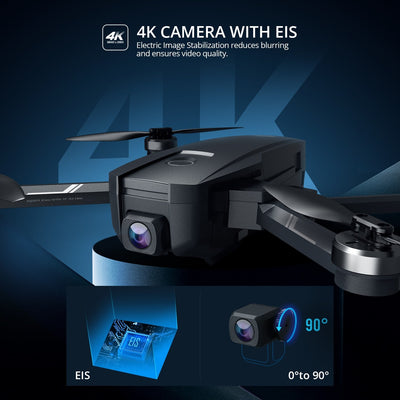
For a camera drone, check the stated video capability and consider what you want to capture. The GOV.UK overview notes that camera-equipped drones can vary in image quality, so the presence of a camera alone is not a complete comparison.
Check how you will control and see the drone
Look beyond the advertised range and consider how you will keep track of the aircraft. Some drones can fly beyond the operator’s line of sight, while guidance on common beginner mistakes recommends keeping the drone within visual line of sight and leaving enough battery to return safely.
Also check the viewing setup. With first-person view, the pilot uses a controller while watching images transmitted by the drone on a screen or through goggles. Compare that arrangement with flying by eye using a handheld controller, and consider which setup suits the way you plan to fly.
Drone-buying checklist: plan for the first flight
Once you have a shortlist, work through the practical checks below before deciding where and how you will use your drone. They address issues highlighted in the beginner guidance, from the flying location to battery planning and insurance.
- Check the location. Look at airspace, local restrictions and the intended take-off location before travelling, then check the location again immediately before flying.
- Consider the surroundings. An open-looking field or beach can still have hazards or restrictions; consider nearby airfields, gatherings and landowner restrictions.
- Compare the weather with the drone’s limits. Check the conditions and fly within the manufacturer’s stated limitations.
- Plan the battery. Check the battery before take-off and leave enough charge to return safely.
- Inspect the aircraft. Before take-off, check the drone, propellers and flight settings as well as the battery.
- Review your insurance. Understand what it covers before something goes wrong.
Do not judge a flying site by appearance alone
A location that looks open is not automatically suitable. Restrictions can be temporary, and a place that was suitable on a previous visit may not be suitable on the day you return.
Checking the airspace and checking access to the land are separate considerations. Consider what will be happening at the location when you arrive, including other people and any gathering, and respect people’s property and privacy.
Make the final comparison
Put your shortlisted drones side by side on price, camera capability, range, endurance and control setup. Then use the checklist to decide whether each option fits the conditions and locations you have in mind. Our final step is to choose the option that matches your planned flying and make the pre-flight checks part of your routine.
Leave a comment