


- A1 Over People: This subcategory allows lightweight drones (UK0 and UK1) to be flown over uninvolved people, but not over crowds or large gatherings.
What Should Drone Pilots Be Aware of When Flying?
Drone pilots must remain vigilant about several critical aspects of the new regulations to ensure safe and legal operations:
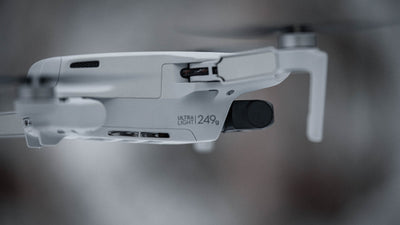
- Registration Requirements: Pilots must obtain a Flyer ID if flying a drone weighing 100g or more. An Operator ID is necessary for drones between 250g and 25kg or those weighing 100g to 250g with a camera. This registration is vital for accountability and traceability in drone operations.
- Night Flying Rules: Drones flown at night must be equipped with a green flashing light, which must be activated during operation. Pilots can request exemptions through an Operational Authorisation if necessary.
- Visual Line of Sight (VLOS): Pilots must maintain visual line of sight with their drones at all times unless special permissions are granted by the CAA. This rule is crucial for avoiding collisions and ensuring safe operations.
- Airspace Restrictions: Pilots should be aware of airspace restrictions, including no-fly zones around airports and urban areas. Understanding these limitations is essential for compliance and safety.
How Do the New Regulations Affect Drone Operations?
The introduction of these regulations marks a significant shift in how drone operations are conducted in the UK. By embedding compliance into the aircraft and pilot requirements, the new framework aims to reduce ambiguity and support the long-term growth of the drone industry. This structured approach not only enhances safety but also fosters public trust in drone technology.
Leave a comment