


A drone can overheat when heat builds up faster than it can be dissipated. The cause depends on the part involved: agricultural drone motors can overheat under sustained heavy loads or with poorly matched propulsion components, while processor overheating on some aircraft can be associated with prolonged idling, extended use in high temperatures or a hardware error.
The useful distinction is between moderate heat after powering on and an overheating warning or abnormal temperature rise. We can then look at the operating conditions and the component affected.
How load and cooling affect motor temperature
On an agricultural drone, the motor works as part of a propulsion system that includes the propeller and battery. A heavier payload increases the thrust needed and puts more load on the motor. Sustained high-load work, such as spraying or seeding, can allow heat to accumulate.
When heat cannot dissipate sufficiently, motor temperature continues to rise. High ambient temperature also reduces the thermal margin available during operation.
For agricultural motors, there is no single temperature that defines overheating in every situation. Compare the temperature with the manufacturer’s limits, taking account of where it was measured, the ambient temperature, the load and the duration of operation.
Why propulsion components need to be matched
Propeller choice can change how hard an agricultural drone motor works. An oversized propeller, excessive pitch or an unsuitable match can increase torque and current demand, raising motor temperature. Damaged, deformed or incorrectly installed propellers can also affect load and efficiency.
Motor KV and battery voltage are part of the same decision. Motor KV describes the change in no-load speed per volt. A mismatch between KV and voltage can push the motor outside its suitable operating range or lead to high-current or inefficient operation. A lower-KV motor does not necessarily run cooler: the overall operating point matters.
When checking an agricultural propulsion setup, consider the motor, battery voltage, propeller and target thrust together. If temperature rises abnormally under the same conditions, continues to rise or exceeds the manufacturer’s limits, check the load, propeller matching, operating current and cooling.
Why a powered-on drone can get hot while idle
Heat can build up before take-off as well as during flight. For DJI Avata 360, DJI Lito 1 and DJI Lito X1 aircraft, processor overheating can occur after the aircraft has been powered on and left idle for a long time. Prolonged flight outdoors at high temperatures and hardware errors are other possible causes identified for these aircraft.
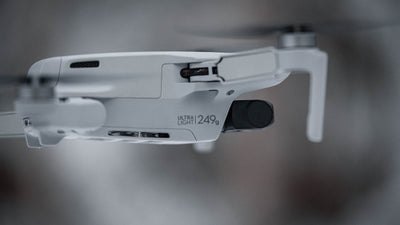
Moderate warmth after powering on can be normal when the app shows no warning. DJI Mini Series aircraft do not have a cooling fan, and their temperature can continue to rise if they stand for a long time while powered on. For those aircraft, the guidance is to take off as soon as possible after powering on.
What to do when an overheating warning appears
For the aircraft covered by the processor-overheating guidance above, respond promptly if the app displays an “Aircraft processor overheated.” or “Aircraft processor chip overheating.” warning:
- Fly the aircraft to the Home Point and land promptly.
- Power it off and wait for it to cool down.
- If the issue cannot be resolved, arrange a repair diagnosis.
We also recommend checking your aircraft’s operating temperature range before flight. The temperature around the aircraft, time spent powered on and the work it is doing all provide useful context when investigating heat. An app warning or an abnormal rise calls for a closer check than moderate warmth on its own.

Leave a comment