


Drones, also known as unmanned aerial vehicles (UAVs), are aircraft systems that operate without a human pilot on board. They can be controlled remotely or fly autonomously using advanced technologies. As of 2026, the landscape of drone technology has expanded significantly, leading to a variety of types tailored for specific applications across multiple industries. This article explores the different categories of drones, providing enthusiasts with a comprehensive understanding of their options.
1. Fixed-Wing Drones
Fixed-wing drones resemble traditional aircraft and are designed for long-distance flights. They are characterised by their rigid wings and are typically more efficient in terms of energy consumption compared to multirotor drones. These drones are ideal for applications that require extensive coverage, such as agricultural monitoring, surveying, and mapping. Their ability to cover large areas makes them particularly valuable in industries where data collection over vast terrains is essential.
2. Multirotor Drones
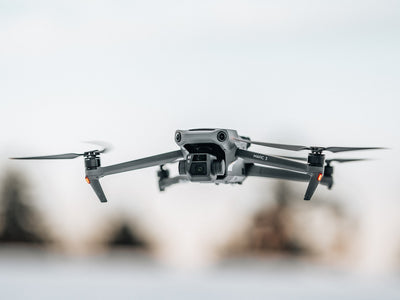
Multirotor drones are perhaps the most recognisable type of UAV, featuring multiple rotors (usually four or more). They are known for their agility and ability to hover in place, making them suitable for tasks that require precise manoeuvring, such as aerial photography and videography. These drones are widely used in recreational settings as well as in professional environments for inspections, surveillance, and search and rescue operations due to their versatility and ease of use.
3. Single-Rotor Drones
Single-rotor drones operate similarly to helicopters, featuring one main rotor and a tail rotor for stability. They are capable of carrying heavier payloads than multirotor drones and can achieve longer flight times. This type of drone is often used in industrial applications, such as infrastructure inspections and agricultural tasks, where the ability to carry specialised equipment is crucial.
4. Hybrid Drones
Hybrid drones combine the features of fixed-wing and multirotor designs, allowing for vertical take-off and landing (VTOL) capabilities while also benefiting from the efficiency of fixed-wing flight. These drones are particularly useful in scenarios where both long-range travel and the ability to hover are required, such as in emergency response situations or complex surveying tasks.
5. Racing Drones
Racing drones are designed specifically for speed and agility, often used in competitive drone racing events. These drones are typically lightweight and built for high performance, featuring advanced control systems that allow for rapid manoeuvres. While primarily recreational, the technology developed for racing drones has influenced other drone categories, particularly in terms of speed and responsiveness.
6. Delivery Drones
With the rise of e-commerce, delivery drones have gained prominence as a means of transporting goods quickly and efficiently. These drones are designed to carry packages over short distances and are equipped with navigation systems that allow for precise delivery. Companies are increasingly exploring the use of drones for last-mile delivery, which can significantly reduce delivery times and costs.
7. Agricultural Drones
Agricultural drones are tailored for farming applications, equipped with sensors and cameras to monitor crop health, soil conditions, and irrigation needs. They enable farmers to collect data that can lead to improved yields and resource management. By utilising drones in precision farming, agricultural professionals can make informed decisions that enhance productivity while minimising waste.
Conclusion
The variety of drones available today reflects the diverse applications they serve across different industries. From fixed-wing models designed for extensive surveying to multirotor drones ideal for aerial photography, each type offers unique advantages tailored to specific needs. As drone technology continues to evolve, enthusiasts and professionals alike can expect even more innovative solutions that enhance efficiency and effectiveness in their respective fields.
Leave a comment