


Drones, or unmanned aerial vehicles (UAVs), have become integral to various industries, offering innovative solutions for tasks ranging from aerial photography to agricultural monitoring. As of 2026, the diversity of drones available reflects their specialised applications and capabilities. This article explores the primary categories of drones, helping enthusiasts understand their distinct features and uses.
1. Fixed-Wing Drones
Fixed-wing drones resemble traditional aircraft and are designed for long-distance flights. They are characterised by their rigid wings, which provide lift, allowing them to cover larger areas efficiently. These drones are often used in applications such as:
- Agricultural monitoring
- Mapping and surveying
- Environmental monitoring
Due to their aerodynamic design, fixed-wing drones can fly for extended periods, making them ideal for tasks that require extensive area coverage.
2. Multi-Rotor Drones
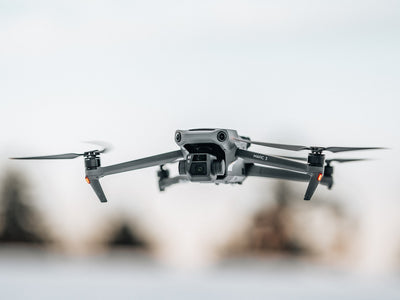
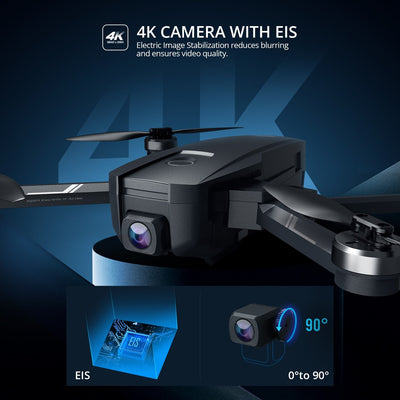
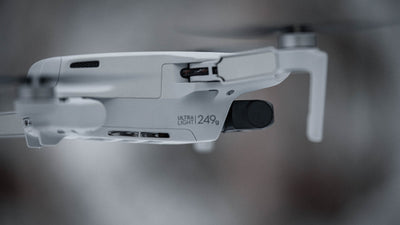
Multi-rotor drones, commonly known as quadcopters, are equipped with multiple rotors (typically four, six, or eight). This design allows for greater manoeuvrability and stability, making them suitable for various applications, including:
- Aerial photography and videography
- Inspection of infrastructure
- Delivery services
These drones are particularly popular among hobbyists and professionals alike due to their ease of use and ability to hover in place.
3. Single-Rotor Drones
Single-rotor drones are similar to helicopters, featuring one main rotor and a tail rotor for stability. They are known for their efficiency and ability to carry heavier payloads compared to multi-rotor drones. Common applications include:
- Search and rescue operations
- Heavy-lift tasks
- Precision agriculture
While they can be more complex to operate, their capabilities make them valuable for specific tasks requiring greater power and endurance.
4. Hybrid Drones
Hybrid drones combine the features of fixed-wing and multi-rotor designs, allowing them to take off and land vertically while also benefiting from the efficiency of fixed-wing flight. This versatility makes them suitable for:
- Long-range missions
- Complex surveying tasks
- Emergency response scenarios
Hybrid drones are increasingly being adopted in various sectors due to their adaptability and efficiency.
5. Specialty Drones
Beyond the main categories, there are specialty drones designed for specific tasks. These include:
- Delivery drones, which are optimised for transporting goods
- Racing drones, built for speed and agility in competitive environments
- Underwater drones, used for marine exploration and research
These drones often incorporate advanced technologies tailored to their unique operational requirements.
Conclusion
As drone technology continues to evolve, understanding the different types of drones available is crucial for enthusiasts and professionals alike. Each category serves distinct purposes, from agricultural monitoring to aerial photography, and selecting the right type depends on the specific needs of the task at hand. With ongoing advancements, the capabilities and applications of drones are set to expand even further, making them an essential tool in various industries.
Leave a comment