


Drone photography has transformed the way we capture images, offering unique perspectives and opportunities that traditional photography cannot match. This innovative approach allows photographers to take stunning aerial shots without the high costs associated with hiring aircraft. In this article, we will explore the benefits and various applications of drone photography, providing insights for enthusiasts eager to harness this technology.
Benefits of Drone Photography
One of the primary advantages of drone photography is its ability to capture breathtaking aerial imagery. Drones can reach heights and angles that are often inaccessible to traditional cameras, enabling photographers to showcase landscapes, architecture, and events from a fresh perspective. This capability not only enhances the visual appeal of photographs but also allows for the documentation of large areas with precision and detail.
Drones are a cost-effective alternative to hiring helicopters or planes for aerial photography. As noted by UAV Coach, the affordability of consumer-grade drones has made aerial photography accessible to both hobbyists and professionals alike. This democratization of technology has led to a surge in creativity and innovation within the field.
Applications of Drone Photography
The applications of drone photography are vast and varied, spanning multiple industries. Here are some key areas where drone photography is making a significant impact:
- Real Estate: Aerial imagery can dramatically enhance property listings, showcasing homes and commercial properties from unique angles. According to Dronegenuity, high-quality aerial photos can help sell listings faster by attracting potential buyers with visually appealing images.
- Construction and Development: Drones are invaluable for monitoring construction progress. They provide regular updates through aerial imagery, allowing stakeholders to track developments and make informed decisions based on detailed visual data. This capability is highlighted by Dronegenuity, which notes the importance of capturing data for actionable insights.
- Event Photography: Drones can capture large gatherings and events from above, providing a comprehensive view that ground-based photography cannot achieve. This is particularly useful for weddings, festivals, and sporting events.
- Environmental Monitoring: Drones are increasingly used in environmental studies to monitor wildlife, assess land use, and track changes in ecosystems. Their ability to cover vast areas quickly makes them ideal for such applications.
Choosing the Right Drone for Photography
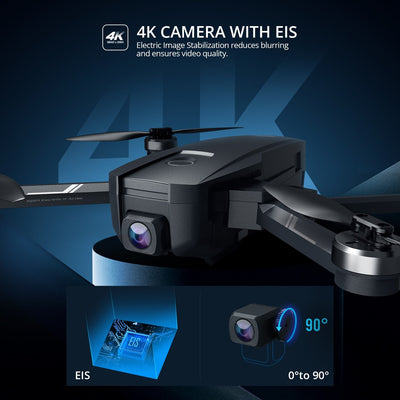
When venturing into drone photography, selecting the right drone is crucial. Factors to consider include camera quality, flight range, and ease of use. As detailed by Best Buy, the camera is the most critical component; look for drones with high-resolution cameras and the ability to shoot in RAW format for better post-processing flexibility.
Additionally, understanding the specifications of different drones can help you choose one that fits your specific needs. For instance, a drone with a larger sensor will perform better in low-light conditions, while one with a longer flight range can access more remote locations.
Conclusion
Drone photography offers a wealth of benefits and applications, making it an exciting field for both enthusiasts and professionals. By understanding the advantages and selecting the right equipment, photographers can unlock new creative possibilities and capture stunning aerial imagery. Whether for real estate, construction, or environmental monitoring, the potential of drone photography is vast, and its impact on the industry continues to grow.
Leave a comment