


This guide offers a calm, practical overview for creators and hobbyists considering high-end consumer drones. You will learn what features matter, how to compare options, and how to match a model to your skills and goals. We highlight a balanced, capable aircraft in the Product Spotlight and share key safety, maintenance, and flight planning tips. A concise pros-and-cons analysis and an FAQ help you make an informed, confident choice.
Choosing a premium camera drone can feel overwhelming, especially when every spec sheet looks impressive. This article aims to make your research easier with gentle guidance and clear explanations. You will find an easy way to match your needs to the right features, from image quality and flight time to safety sensors and ease of use. We also provide practical tips to extend battery life, plan safer flights, and simplify post-production.
Product Spotlight: high-end consumer drones in focus
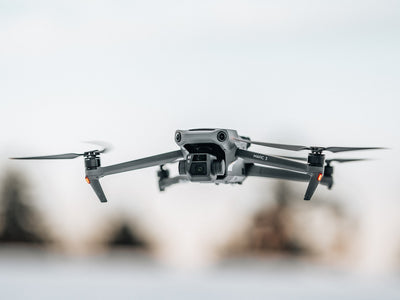
If you appreciate a thoughtful blend of image quality, flight safety, and portability, the DJI Air 3 is a considerate option to explore. It offers a dual-camera system that supports wide and medium-telephoto perspectives, enabling both sweeping landscapes and flattering, compressed compositions. The stabilised gimbal delivers smooth footage, while intelligent flight modes assist with tracking and creative movements. For many creators, this combination provides a gentle learning curve with room to grow.
Flight performance is equally reassuring. Long battery life helps you spend more time framing scenes and less time on the ground. Omnidirectional sensing supports obstacle awareness in multiple directions, which can add confidence in complex environments. The controller is comfortable, the setup is quick, and the aircraft folds neatly into a compact bag for travel. When you are ready to build a kit, consider adding ND filters to control shutter speed and a reliable memory card with fast write speeds for higher-bitrate recording.
If you are comparing the Air 3 with other top-tier models, consider how often you shoot at dawn or dusk, how windy your locations can be, and whether you value the medium-tele lens for cinematic reveals. Creators who prioritise travel-friendly gear may value the smaller footprint, while those who need larger sensors for low light might look toward more specialised platforms.
Did You Know?
- Sensor size and lens quality often influence dynamic range and detail more than sheer pixel count.
- Gimbal-stabilised footage still benefits from gentle stick inputs; smooth piloting reduces post-stabiliation needs.
- Wind resistance ratings are helpful, yet flight technique and route planning remain essential for steady results.
- Maintaining batteries between roughly 40% and 60% for storage can support longevity; avoid leaving packs fully charged for long periods.
- Pre-flight checks—props, IMU status, compass, and home point—can prevent avoidable issues and help flights feel calmer.
- Neutral color profiles can preserve highlight detail, while log profiles offer more grading flexibility if you are comfortable with color correction.
- Geofencing and location guidelines vary; planning flight locations in advance helps keep shoots smooth and respectful of others’ space.
- Reading flight logs after a session can reveal useful patterns about battery performance, GPS lock, and signal quality.
Pros & Cons Analysis
To help you weigh your decision, here is a balanced view of what advanced prosumer quadcopters tend to offer, and where trade-offs may appear.
-
Pros
- Image quality: Larger sensors, refined lenses, and stable gimbals yield crisp photos and smooth video.
- Flight safety: Multi-directional obstacle sensing, return-to-home, and accurate positioning offer reassuring safeguards.
- Creative tools: Intelligent tracking, waypoints, and hyperlapse modes unlock cinematic shots with gentle inputs.
- Portability: Folding designs make travel more comfortable, encouraging you to capture more often.
- Control experience: Ergonomic controllers and robust signal systems support reliable control at responsible distances.
-
Cons
- Learning curve: Advanced features reward practice; it can take time to master exposure, filters, and flight finesse.
- Editing demands: High-bitrate video and log profiles benefit from capable storage and a considered workflow.
- Accessory costs: Extra batteries, ND filters, and sturdy cases add to the total investment.
- Noise and space needs: Even quiet models need open areas; planning helps minimise disturbance to people and wildlife.
If you feel unsure which factors should guide your choice, it may help to write a brief checklist: where you fly most, your typical lighting, preferred video frame rates, and how much you want to carry. Then, compare that list to a short set of candidate models. A calm, methodical approach often reveals a clear winner for your style.
FAQ Section
What matters most for aerial photo quality?
Consistency matters more than any single specification. Look for a camera and gimbal that deliver stable, clean footage, and pair them with thoughtful piloting. Consider sensor size, lens sharpness, and a codec that matches your editing setup. ND filters help manage shutter speed for natural motion blur, and shooting during soft light can gently reduce harsh contrast.
How do I choose between portability and performance?
It may help to start with your real-world habits. If you travel often or hike to locations, a compact airframe encourages more frequent use. If you shoot in low light or need greater dynamic range, a larger camera system might be worthwhile. Many creators find a mid-size drone with strong safety features and good battery life provides the most balanced experience.
Are firmware updates important for advanced drones?
Yes, regular updates can refine safety features, stabilise connections, and add creative modes. It is kind to review release notes and update only when you have the time to test before an important project.
Conclusion & CTA
Modern aerial cameras make it possible to create expressive, stable footage with a gentle learning curve. By focusing on image quality, flight safety, and portability, you can choose a model that fits both your goals and your routine. If the DJI Air 3 aligns with your needs, a considered kit of batteries, filters, and a protective case will support smooth, repeatable results.
About the Author
The Dronescend editorial team focuses on practical advice for creators who want dependable, confident flights and beautiful aerial imagery. We combine product knowledge with field-tested tips to make decisions easier and calmer.
Leave a comment