


There are four primary types of drone based on aircraft design: multi-rotor, fixed-wing, single-rotor and hybrid vertical take-off and landing (VTOL). Drones can also be categorised in other ways. Each design generates lift or manages flight differently, which helps explain the tasks for which it is used.
A drone is an unmanned aircraft. You may also encounter unmanned aircraft system (UAS), which includes the aircraft and the systems used to control and communicate with it.
Multi-rotor drones
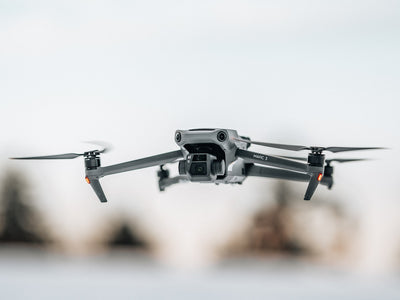
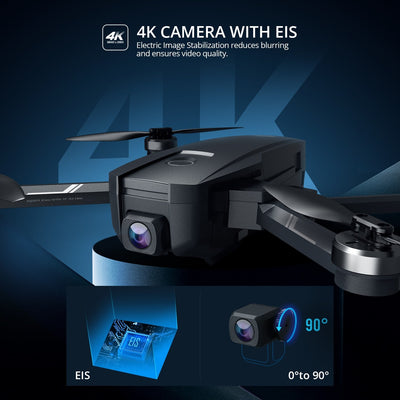
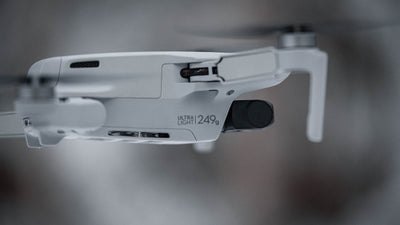
Multi-rotor drones use several rotors to generate lift, control movement and maintain stability. The most common configuration is the quadcopter, with four rotors; other systems use six or eight rotors for increased lifting capability. These aircraft can hover and are manoeuvrable, making them popular across several industries.
Multi-rotors are used for aerial photography and video, construction site monitoring and infrastructure inspections. They are also often the first aircraft new drone pilots learn to operate. For a task where hovering is part of the appeal, this is the category to examine first.
Fixed-wing drones
Fixed-wing drones resemble aeroplanes and generate lift through their wings rather than relying solely on rotors. Unlike multi-rotor aircraft, they must keep moving forward to remain airborne. Their aerodynamic design allows them to travel longer distances and stay airborne for extended periods.
That ability to cover large areas efficiently makes fixed-wing aircraft common in missions involving extensive data collection. Examples include agricultural surveying, land mapping and environmental monitoring. The distinction from a multi-rotor is therefore not just appearance: forward flight is central to how a fixed-wing drone stays aloft.
Single-rotor drones
Single-rotor drones operate like helicopters, using one primary rotor and a smaller tail rotor for stability and control. They are less common than multi-rotor aircraft but can offer greater efficiency and higher payload capacities. Those capabilities make them useful for specialised missions.
Applications include industrial inspections, research and deployments involving heavy sensors. These aircraft are typically used by organisations that need capabilities beyond those of smaller multi-rotor platforms. When choosing between single-rotor and multi-rotor aircraft, compare their payload capacities against the equipment required for your mission.
Hybrid VTOL drones
Hybrid VTOL drones combine features of multi-rotor and fixed-wing aircraft. They can take off and land vertically, then transition to forward flight like an aeroplane. This allows operators to launch from confined spaces while benefiting from the extended range and efficiency of a fixed-wing aircraft.
The practical distinction is the combination of vertical take-off and landing with fixed-wing-style forward flight. If both a confined launch space and coverage over a longer range matter to a mission, hybrid VTOL is the category to consider.
Choosing between the four drone types
Start with the flight characteristics your task calls for: hovering, covering a large area, carrying specialised equipment or launching from a confined space. Then compare the relevant aircraft within that category, keeping in mind that the four groups describe different designs rather than every possible way to classify drones.
Leave a comment