


This guide offers a calm, clear path to choosing and using aerial photography drones for smooth, detailed images. You will learn how to evaluate cameras, flight safety features, and accessories that support consistent results. We highlight one reliable model and share practical tips for framing, exposure, and post-workflow. A concise FAQ answers common questions with gentle, helpful advice.
Choosing the right tool for elevated images can feel complex at first. With a little guidance, though, the process becomes friendly and even enjoyable. This article walks through key features that matter for stable footage, true-to-life color, and dependable flight control. Whether you are new or experienced, you will find practical suggestions to help you plan, shoot, and refine your work with ease. We also include gentle reminders about safety and considerate flying, so your time in the air feels calm and thoughtful.
Product Spotlight: aerial photography drones
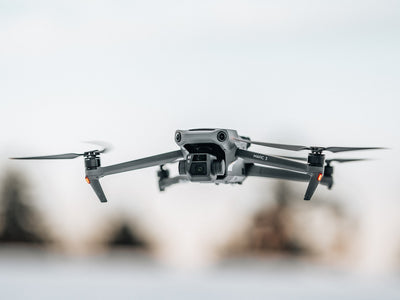
One dependable choice for balanced performance is the DJI Air 3, a compact model known for stable flight and flexible shooting options. It offers a gimbal-stabilized camera, intelligent flight modes, and a thoughtful design that supports confidence in varied light. The dual-camera system on selected configurations provides wider framing choices for landscapes and details, while the stabilization helps reduce micro-judder for smoother video. Many pilots appreciate its intuitive controls, which support steady results even when conditions change.
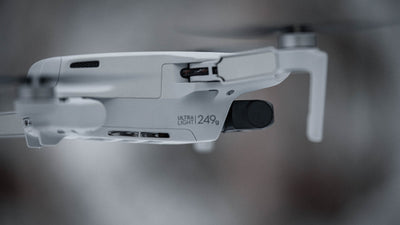
If you prefer an ultra-portable option, the DJI Mini 4 Pro is also worth exploring. It is lightweight, easy to transport, and well-suited for quick shoots or travel-friendly sessions. Its image pipeline supports crisp photos and video, while obstacle awareness on supported versions can add peace of mind. You might find this model especially helpful if you would like a smaller footprint without losing modern flight features.
When comparing models, it may be helpful to think about shooting goals. For sweeping landscapes, look for a camera that supports high-resolution stills, flat video profiles, and strong dynamic range. For real estate, quick deployment, quiet flight, and reliable positioning may matter more. For action scenes, consider advanced tracking modes and responsive controls. If you would like to browse options, you may explore choices at Dronescend, where you can compare camera drones side by side with clear specifications and compatible accessories.
Specific products that many creators review positively include the DJI Air 3 for versatile image capture and the DJI Mini 4 Pro for portability with strong stabilization for its size. Both pair well with neutral density filters, spare batteries, and fast memory cards. If you plan to film during bright daylight, a set of ND filters can help manage shutter speed for natural motion blur. If you intend to photograph at sunset, consider models with efficient sensors that preserve highlight detail and subtle color transitions.
Accessories can further refine your results. A landing pad helps protect sensors and gimbal components from dust when taking off on uneven surfaces. High-speed cards support consistent video recording, especially at higher bitrates. A carry case makes transport smoother and helps organize filters, propellers, and cables. You can find helpful add-ons in the accessories selection at drone accessories.
Did You Know?
- Gentle stick inputs often produce smoother footage than rapid movements. Short, gradual turns can feel more cinematic than sharp pivots.
- A lower ISO usually delivers cleaner images. Try to use the base ISO and manage exposure with shutter speed and ND filters when possible.
- Even with a stabilized gimbal, wind can introduce small shakes. Flying slightly slower and planning leeward routes may help.
- Shooting in a flat or log profile can preserve detail for color grading. Keep your histogram centered to avoid clipping.
- Golden-hour light enhances depth and texture. When scheduling, consider sun angle and local terrain for softer contrast.
Pros & Cons Analysis
-
Pros
- Stable gimbal systems help keep footage smooth in light wind.
- Modern sensors capture fine detail and pleasing color when exposed well.
- Intelligent flight modes can assist with tracking, orbits, and return-to-home.
- Portable designs make it simple to pack for travel or quick shoots.
- Accessory ecosystems (ND filters, batteries, cases) enhance flexibility.
-
Cons
- Wind and weather may limit flying windows and footage consistency.
- Batteries require planning; charging and storage need gentle care.
- Image quality depends on exposure discipline and careful settings.
- Local rules and no-fly zones can affect location choices.
- Learning smooth control takes practice and patient time in the field.
FAQ Section
Do I need a license or registration to fly a camera drone?
Requirements vary by location and aircraft weight. It may be wise to check local rules and any official aviation guidance before you fly. Consider reviewing registration obligations, airspace maps, and privacy expectations in your area. A thoughtful review helps you plan safe and considerate flights.
What camera settings are best for landscape shots?
For stills, try a low ISO, an aperture that keeps the scene sharp, and exposure tuned to protect highlights. For video, many creators use a shutter near double the frame rate, with ND filters to control brightness. If your drone supports a flat or log profile, you may capture more grading latitude. Always monitor the histogram so skies and bright water retain detail.
How can I fly more smoothly for cinematic footage?
Gently lower your stick sensitivity or expo if your model allows, and practice slow, continuous inputs. Plan simple moves—forward reveals, subtle arcs, and slow ascents—then combine them in editing. When possible, fly with the wind at your back to reduce abrupt corrections. Before each take, rehearse the path at a higher altitude to ensure clear surroundings.
Should I shoot in RAW photos or JPEG?
RAW files offer greater flexibility for exposure correction and color work, which is reassuring in tricky light. JPEGs are convenient for quick sharing and modest adjustments. If you expect bright highlights or deep shadows, RAW can provide more room to refine tones while keeping noise manageable.
What accessories are most helpful for consistent results?
Neutral density filters for video, a landing pad for dusty or uneven surfaces, spare propellers, and a well-padded case can be very helpful. A multi-battery charger simplifies field work. Fast, V30-or-better microSD cards reduce the risk of dropped frames during higher bitrate recording.
Conclusion & CTA
Selecting the right aircraft is simpler when you focus on the outcomes you want: steady video, clean stills, and safe, confident flights. By pairing a stable craft with thoughtful exposure, smooth piloting, and a few well-chosen accessories, you can produce clear, graceful imagery that feels true to the scene. If you would like to compare compact models and travel-friendly kits, you may find it helpful to browse curated choices at Dronescend or explore specific models such as the DJI Air 3 and DJI Mini 4 Pro. With care and patience, aerial photography drones can help you tell calm, beautiful stories from the sky.
Leave a comment