


Choosing your first drone can feel overwhelming, yet it becomes simple when you focus on safety features, ease of flight, and trusted brands. This guide shares what truly matters for new pilots, highlights a thoughtful product pick, and offers gentle tips to build confidence in the air. You will find practical checklists, quick facts, and answers to common questions to help you select the best drones for beginners without stress. By the end, you will have a clear roadmap to enjoy flying, filming, and learning at a comfortable pace.
Introduction
Starting with drones is an exciting step toward creative flight and aerial storytelling. For new pilots, clarity and comfort matter more than anything else. Rather than chasing specs, it may help to focus on steady controls, dependable safety modes, and a camera that is simple to use. A thoughtful entry-level model can help you learn takeoffs, landings, and gentle maneuvering without stress. Over time, those basics translate into confident, smooth flights and enjoyable footage.
In this guide, you will find a friendly, practical overview designed for first-time flyers. We cover a suggested product to make the learning curve manageable, followed by quick facts you can keep on hand. We then outline clear advantages and common trade-offs so you can set expectations. Finally, a brief FAQ answers the questions most beginners ask, from costs to camera quality. The goal is to help you feel calm, informed, and ready to lift off at your own pace.
Product Spotlight: best drones for beginners pick — DJI Mini 2 SE
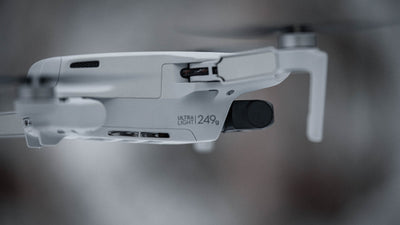
When first learning to fly, a small, lightweight drone can make practice sessions more relaxed. The DJI Mini 2 SE is a considerate option for new pilots because it combines approachable controls, steady hovering, and a camera that is easy to use. Its compact frame helps with portability, and a gentle learning curve supports gradual skill building. The flight experience feels calm, with clear control feedback and helpful safety features such as automatic return-to-home.
Why it feels beginner-friendly:
- Lightweight design that is simple to carry and store between practice flights.
- Simplified flight modes that support straight, stable hovering and smooth turns.
- Reliable connectivity that helps keep control responsive and predictable.
- Camera that is easy to start, making it straightforward to capture clear footage and photos.
- Return-to-home function that offers reassurance if the battery runs low or the signal weakens.
For those interested in browsing starter-friendly options, you may wish to explore a curated collection at Shop beginner-friendly drones. If you prefer to learn first, you can also visit Dronescend to get familiar with brands, categories, and support resources before making a choice.
Did You Know?
- Practice in open, obstacle-free areas can make early flights calmer and more enjoyable.
- Propeller guards may reduce the risk of scuffs during early takeoffs and landings.
- Intelligent flight modes, such as automatic hover, help you focus on orientation and camera framing.
- Battery health improves with gentle charging habits and avoiding full depletion whenever possible.
- Wind can be more challenging than it seems; checking conditions before flying helps maintain control.
- Short, frequent practice sessions often lead to faster progress than long, occasional flights.
Pros & Cons Analysis
Advantages
- Easy handling: Beginner-oriented control modes support smooth lift-off and stable flight.
- Lightweight: Compact designs are convenient to carry and encourage frequent practice.
- Helpful safety features: Return-to-home, auto-hover, and basic obstacle awareness can reduce stress.
- Accessible cameras: Simple capture controls help you focus on composition rather than settings.
- Reasonable learning curve: Clear controller layouts help you build muscle memory quickly.
- Good value: Starter models often deliver the core features most new pilots want.
Limitations
- Lower wind resistance: Small airframes may struggle in gusty conditions.
- Modest sensors: Entry-level cameras offer clear footage but not advanced dynamic range.
- Fewer manual controls: Some models limit pro settings to keep operation simple.
- Shorter flight times: Compact batteries may provide shorter sessions than professional rigs.
- Basic obstacle sensing: Avoidance features, when present, may be limited compared with premium tiers.
FAQ Section
What features make a drone easy to learn?
Look for a model with steady hover, return-to-home, and beginner flight modes that limit speed and tilt. A clear controller layout, responsive sticks, and a reliable connection also help you feel in control. If the camera is simple to start and adjust, you can quickly capture steady clips while still focusing on safe flying.
Do I need to register a hobby drone?
Rules vary by country and region. It may be helpful to check the official aviation authority in your area for the latest guidance on registration, weight classes, and flying locations. Many newcomers also review retailer guides; for example, you might explore articles via Drone tips and guides for general orientation before checking local rules.
How much should a first drone cost?
A gentle starting point is a model that offers stable flight, dependable safety features, and a simple camera without stretching your budget. An entry-level tier is often enough to learn orientation, framing, and smooth movements. Once you understand your needs, you can decide whether to stay with a compact flyer or step up to a more advanced camera platform.
Can a starter drone capture quality video?
Yes, many compact models record clear footage suitable for social sharing and personal projects. While they may not offer advanced color profiles or large sensors, good stabilization and simple exposure controls make it possible to create pleasing, steady clips. Practicing smooth stick inputs and flying in gentle light can further enhance results.
Conclusion & CTA
Starting with a simple, stable drone helps you learn core skills with confidence. Lightweight frames, auto-hover, and return-to-home make early sessions calmer, while a straightforward camera encourages creative practice. If you would like to compare a wider range of entry-level models and accessories at your own pace, you may browse All products for inspiration and ideas. We wish you many safe flights, gentle landings, and steady progress as you discover the joy of aerial photography.
Leave a comment